Your first Kenya safari is a big decision. You are spending real money, using precious vacation days, and trusting people you have never met to keep you safe around lions. It is normal to feel overwhelmed.
We have planned trips for hundreds of first-timers at Valley Safaris, and the same first-time Kenya safari mistakes come up again and again. None of them are hard to avoid once you know they exist. Here is what trips us up most, with real numbers so you can plan with confidence instead of guesswork.
1. Trying to see too many parks in too few days
The biggest mistake is packing Masai Mara, Amboseli, Lake Nakuru, and Samburu into a seven-day trip. Each of these parks deserves at least two nights. Rushing between them means more hours in a vehicle and fewer hours watching animals.
A first safari works best with two, maybe three, parks over 6 to 8 days. Give the Mara three nights alone. It rewards patience, and your guide needs time to learn where the pride is resting that week.
2. Visiting in the wrong season for what you want
Kenya has two rainy seasons: the long rains from March to May, and short rains in November. Roads get muddy and some camps close. But the rains also bring newborn animals and green, dramatic landscapes with far fewer vehicles at each sighting.
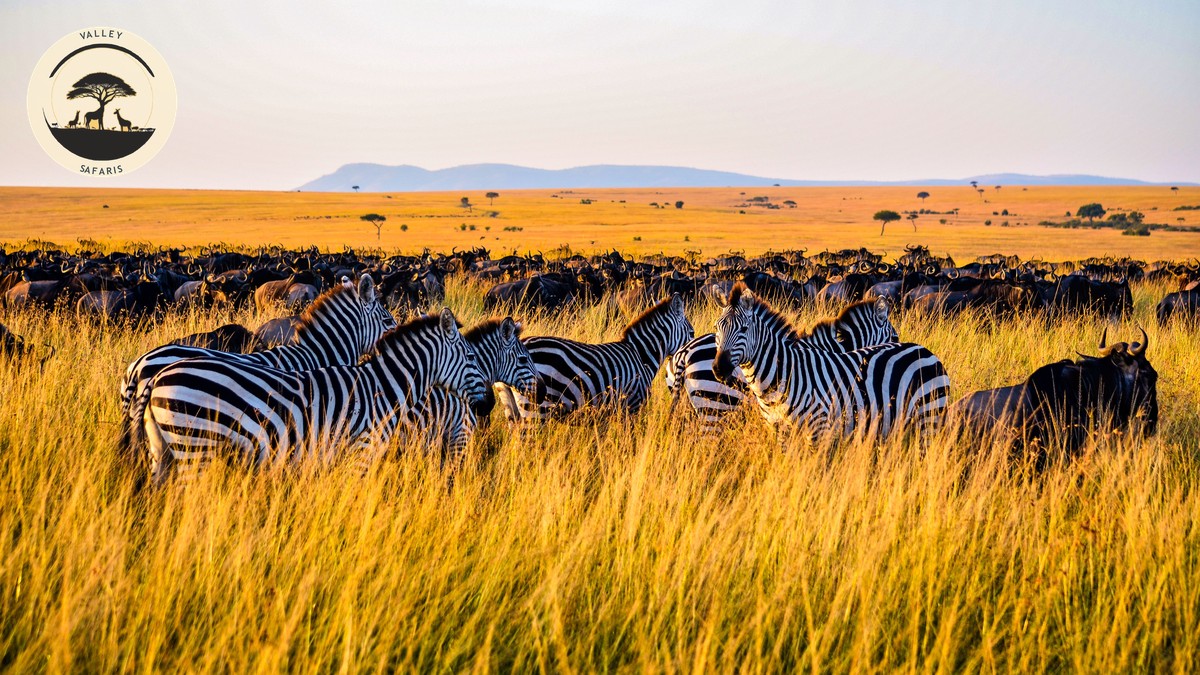
The Great Migration river crossings at the Mara River usually happen between July and October. If that is your goal, book those months. If you want lower prices and fewer crowds, aim for late January through February instead.
3. Booking the cheapest package without checking the operator
A rock-bottom quote often means an older vehicle, a shared guide split across too many groups, or a company with no Kenya Tourism Board license. Ask how long the company has operated, whether the guide is KPSGA-certified, and what happens if your vehicle breaks down in the bush.
Price alone tells you almost nothing. We have written a full breakdown of booking direct versus through a marketplace if you want to understand what changes when you skip the middleman.
4. Packing the wrong colors and the wrong bag
Bright colors like white, black, and dark blue attract tsetse flies, especially near Samburu and Amboseli. Stick to khaki, olive, and muted earth tones. Camouflage clothing is actually illegal for civilians to wear in Kenya, so leave it at home.
Hard-shell suitcases are the other trap. Domestic charter flights on carriers like Safarilink and AirKenya cap checked luggage at around 15kg per person, and they require soft-sided duffel bags that bend to fit the small aircraft hold. A rigid suitcase simply will not fit.
5. Skipping malaria pills and vaccinations
Most Kenyan safari regions, including the Mara, Amboseli, and Samburu, carry a malaria risk. Talk to a travel clinic about prophylaxis at least a week before you fly. Nairobi itself is lower risk, but you will likely spend most nights in the bush.
Yellow fever vaccination is required only if you are arriving from a country where it is endemic, but check current entry rules before you travel since they do change.
6. Underestimating the true cost of the trip
Quoted safari prices rarely include everything. Park fees, community conservancy fees, gratuities, drinks, and airstrip transfers often sit outside the headline price. A mid-range 7-day safari for two people typically runs $3,500 to $6,000 per person all in, and budget or luxury trips swing well outside that range.
We break down exactly where the extra costs hide in our guide to the hidden costs your safari package price tag skips. Read it before you compare quotes side by side.
7. Driving overland between parks instead of flying
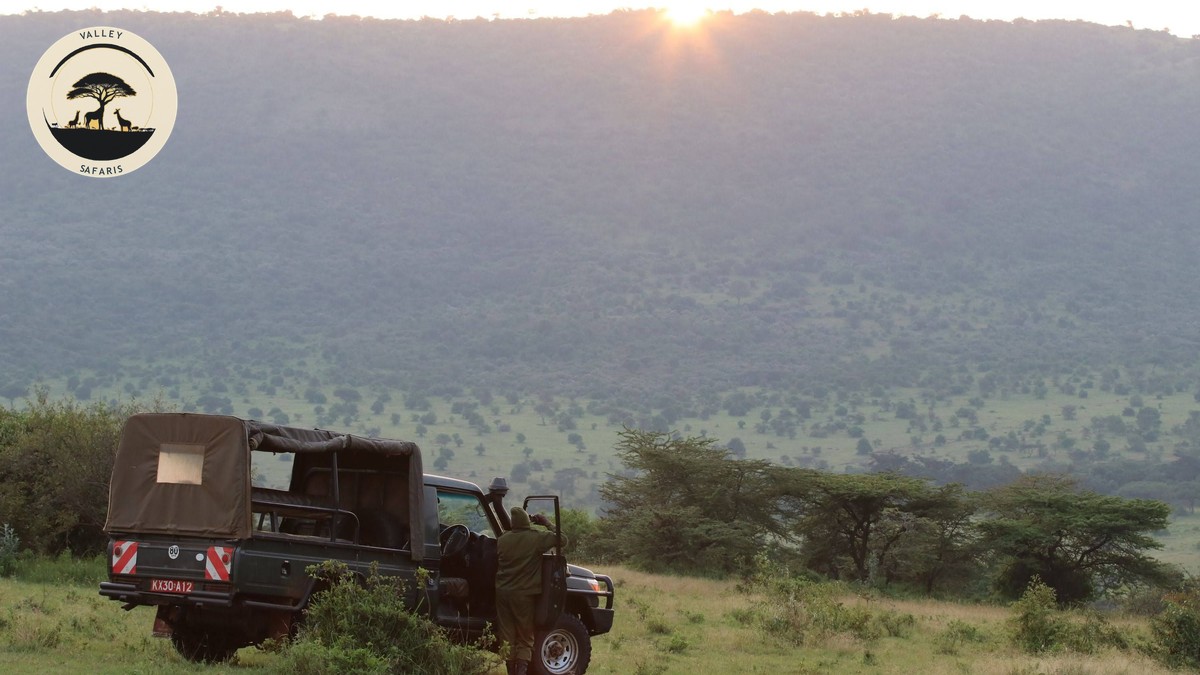
A road transfer from Nairobi to the Masai Mara takes 5 to 6 hours over roughly 270km, much of it on rough murram roads once you leave the tarmac. A charter flight from Wilson Airport covers the same distance in about 45 minutes.
Flying costs more, often $150 to $300 per leg, but it buys back a full day of game viewing. For a short first trip, that trade is usually worth it.
8. Expecting guaranteed Big Five sightings on day one
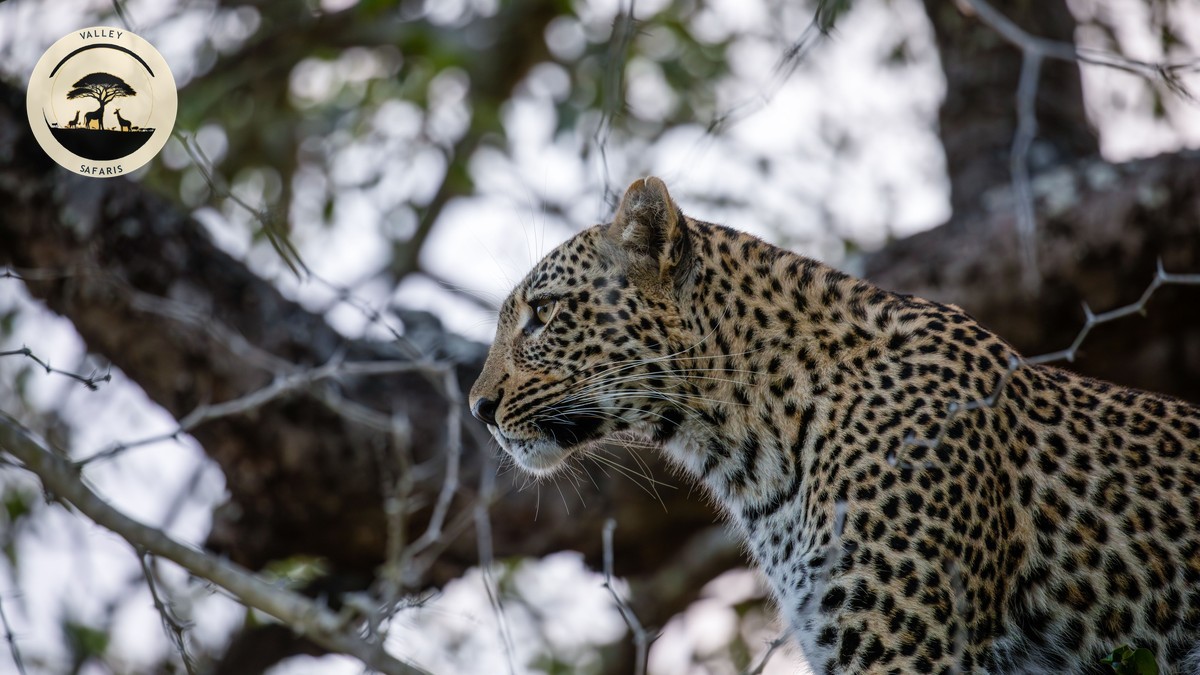
Wild animals do not perform on schedule. Leopards especially can take days to find. Guides are excellent at reading tracks and radio chatter between vehicles, but nothing is guaranteed.
Give yourself at least three full days in one reserve before judging your sightings. Rushing through in 24 hours sets you up for disappointment.
9. Ignoring camera and cultural etiquette
Always ask before photographing Maasai or Samburu community members, and expect that some will ask for a small fee in return, which is a fair exchange, not a scam. Never use flash on nocturnal animals, and never ask your guide to drive off-track to get closer to a sighting.
10. Skipping travel insurance with medical evacuation cover
Standard travel insurance often excludes medical evacuation by air, which matters if you are hours from the nearest hospital. Flying Doctors (AMREF) evacuation cover costs a small amount added to most policies and is worth every shilling if something goes wrong in a remote conservancy.
11. Booking too late for peak migration season
Camps in the Mara Triangle and Mara North Conservancy fill up 6 to 12 months ahead for the July to October crossing season. Waiting until three months out usually means settling for a less central camp, or paying a premium for whatever is left.
If your heart is set on migration season, start planning by January for a same-year July trip.
12. Picking a camp or lodge on photos alone
Tented camps put you closer to the sounds and smells of the bush, with canvas walls and en-suite bathrooms in most mid-range and luxury options. Lodges offer solid walls, swimming pools, and sometimes more privacy from wildlife noise at night. Neither is better, but they suit different travelers.
Ask what “tented” actually means at a specific camp. Some are fixed luxury tents with concrete floors, others are simpler mobile setups. And before you settle on the Mara for every night of your trip, read about the truth about Masai Mara vehicle crowding so you know what peak-season traffic at a sighting really looks like.
First-Time Kenya Safari Mistakes: Park Fees and Drive Times at a Glance
| Park / Reserve | Distance from Nairobi | Drive Time | Flight Time | Non-Resident Park Fee (per adult/day) |
|---|---|---|---|---|
| Masai Mara National Reserve | ~270 km | 5-6 hours | ~45 min | $80-$100 (higher in peak season) |
| Amboseli National Park | ~240 km | 4-5 hours | ~35 min | $60-$80 |
| Samburu National Reserve | ~325 km | 5-6 hours | ~50 min | $70-$100 |
| Lake Nakuru National Park | ~160 km | 2.5-3 hours | Not typically flown | $60-$80 |
Fees change with park authority updates, so treat these as planning ranges and confirm current rates when you book.
The Valley Safaris Difference
We build every itinerary around how many nights each park actually deserves, not how many parks fit on a map. That means fewer transfers, more time in camp, and guides who know that particular reserve well enough to read it.
Our team handles the KWS and conservancy fees, the charter flight bookings, and the small details like a sunset picnic on your last evening, before you ever land in Nairobi. You get one clear price and one person to call if plans change.
Ready to Plan Your First Kenya Safari?
A first safari should feel exciting, not stressful. If you would like help building an itinerary that avoids these twelve mistakes, take a look at our Kenya safari tours or reach out through our contact page and we will start planning together.